Begin with Buffalo's actual facade materials and deposits
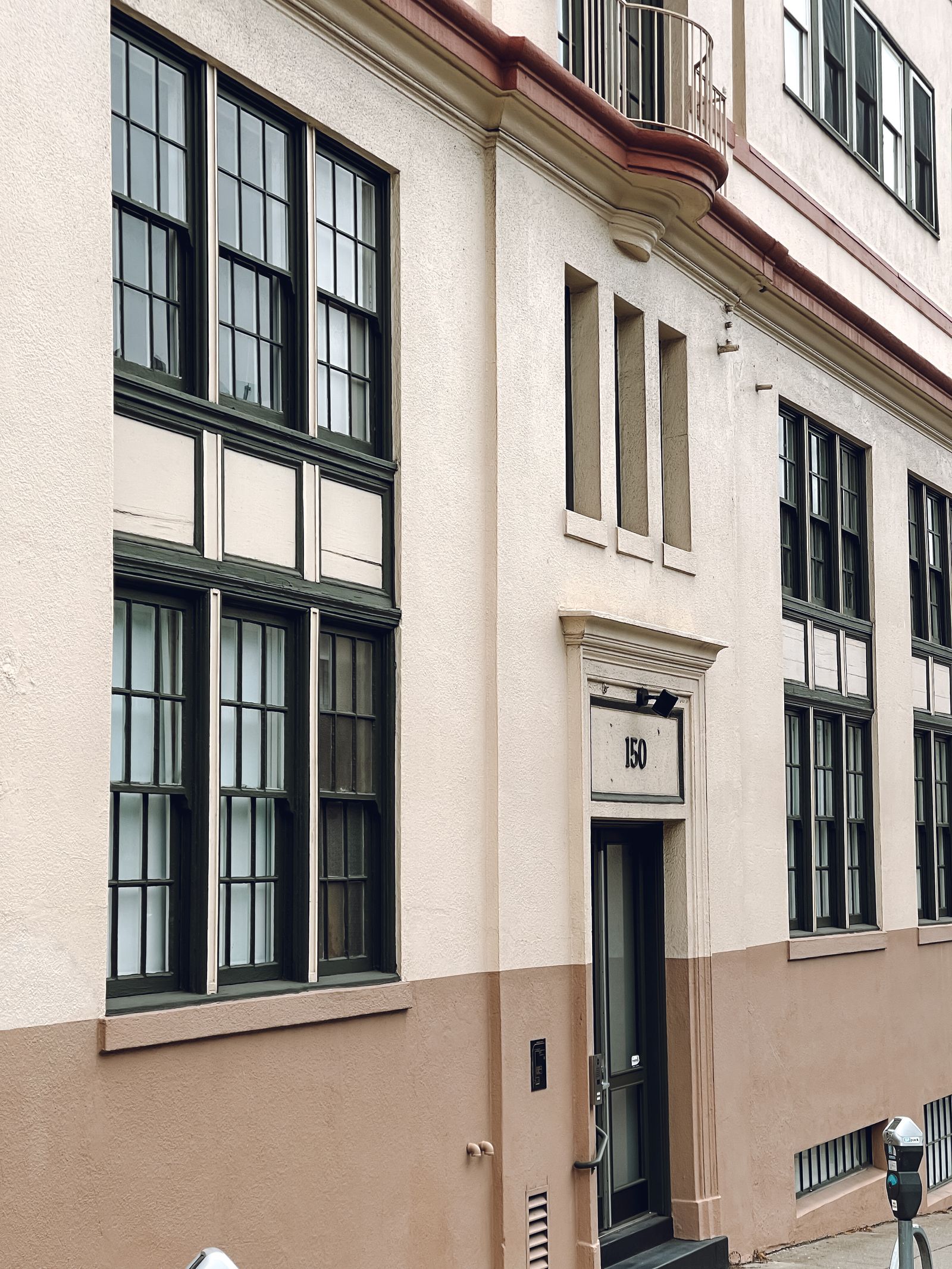
Buffalo commercial buildings commonly combine historic brick, painted masonry, limestone, terra-cotta details, cast stone, precast concrete, EIFS, stucco, metal panels, glass, tile, and repaired areas from different eras. A Victorian or early twentieth-century building in Allentown, Elmwood Village, the Theatre District, or the Upper West Side may have soft mortar, decorative trim, narrow storefront setbacks, and neighboring public routes. A newer office, hotel, hospital, or warehouse may have insulated panels, curtain wall, canopies, loading zones, and rooftop equipment. The first decision should be the material and condition, not the machine setting.
Soft washing may be appropriate for compatible algae, mildew, pollen, bird residue, and atmospheric film when the substrate and coating have been reviewed. Lower pressure can reduce some mechanical impact, but chemistry, dwell time, temperature, wind, overspray, and rinse control still matter. Black or brown streaks can also come from oxidation, hard-water minerals, road salt, exhaust, roof runoff, or failing paint. A test area helps confirm the expected appearance where brick varies, repairs are visible, joints are weak, or ownership needs a consistent finish before a lease showing, hotel reset, inspection, or recurring maintenance visit. Cleaning does not correct spalling, failed joints, leaks, or coating failure.
- Separate brick, mortar, stone, terra cotta, concrete, EIFS, glass, metal, and painted zones.
- Identify organic growth, soot, salt, pollen, runoff marks, oxidation, and possible material damage.
- Define whether the goal is recurring appearance maintenance, a tenant-facing reset, or detail cleaning.
- Keep tuckpointing, crack repair, leak investigation, coating repair, and restoration outside routine washing.
Protect historic buildings in Allentown, Elmwood Village, and downtown Buffalo
Buffalo's older neighborhoods are part of the property's value. Allentown, Elmwood Village, the West Village, the Theatre District, the Cobblestone District, and the waterfront include older brick walls, limestone, terra cotta, decorative cornices, awnings, signs, stoops, storefronts, and tight sidewalks. A strong rinse or incompatible treatment can expose weak mortar, disturb a coating, drive water into an open joint, or leave a patchwork appearance across adjoining repairs. The quote should identify the observed materials, cleaning zones, expected improvement, exclusions, and whether a test area or preservation-minded review is appropriate.
Facilities teams should ask for a method statement that addresses pressure, chemistry assumptions, dwell controls, rinse approach, window and metal protection, pedestrian separation, and the dry inspection. Cleaning cannot repair spalled stone, open mortar joints, unstable terra cotta, rising damp, failing paint, or a leaking roofline. The right answer may be smaller sections, hand detailing, a gentler sequence, or separate restoration work for a portion of the elevation. That clarity gives an owner an honest basis for approving work while respecting Buffalo's building fabric.
Schedule around Buffalo hospitals, hotels, offices, campuses, and retail
Buffalo properties stay active during exterior work. The Medical Campus and surrounding Downtown corridors include patients, visitors, ambulances, clinics, deliveries, staff entrances, and air intakes. Hotels near Canalside, KeyBank Center, the Convention Center, and the waterfront have guest arrivals, valet movements, luggage, events, and outdoor areas. Offices around Main Street, Lafayette Square, and the Buffalo Niagara Medical Campus may need tenant entries, loading access, and accessible routes open. A university or school property near the University at Buffalo campuses can have students, buses, events, and class changes close to the facade. Retail and mixed-use buildings in Amherst, Williamsville, and Cheektowaga must account for customers and parking circulation.
Before setting a work window, we ask about clinic hours, guest peaks, class schedules, deliveries, valet, events, outdoor dining, air intakes, security, loading, and the person authorized to pause work. A hotel may phase a porte-cochere away from arrivals. A hospital or medical office may need a separated zone and detailed handback. A campus may coordinate with public safety and accessibility teams. The proposal should state the sequence, barriers, communication path, stop conditions, and closeout process so the property team can keep operating.
Plan for Lake Erie wind, lake-effect snow, and Buffalo salt residue
Buffalo's exposure changes across the region. Waterfront properties near Canalside, the Outer Harbor, the Niagara River, and the Peace Bridge can experience wind, spray, moisture, and airborne residue. Downtown streets can hold shade and runoff beside tall elevations. Open industrial and warehouse sites around the Buffalo River, Lackawanna, Tonawanda, and the airport corridor may see direct wind and more exposed staging. Lake-effect snow, freeze-thaw cycles, deicing salt, spring pollen, and snow storage concentrate soil around lower walls, garage ramps, entries, curbs, and loading areas. A recurring program should follow exposure and occupancy instead of promising one universal interval.
Rain, snow, lightning, gusts, freezing temperatures, poor visibility, and wet walking surfaces can affect spray control, drying, aerial stability, runoff, and safe access. Cold masonry can change dwell behavior and leave water in vulnerable joints. Wind can carry solution toward pedestrians, vehicles, neighboring properties, or air intakes. Work should pause when the weather or public conditions no longer support the plan. Weather interruptions and remaining deposits should be documented in the closeout, with a dry inspection after the facade settles.
Use drone assistance only when the Buffalo site supports it
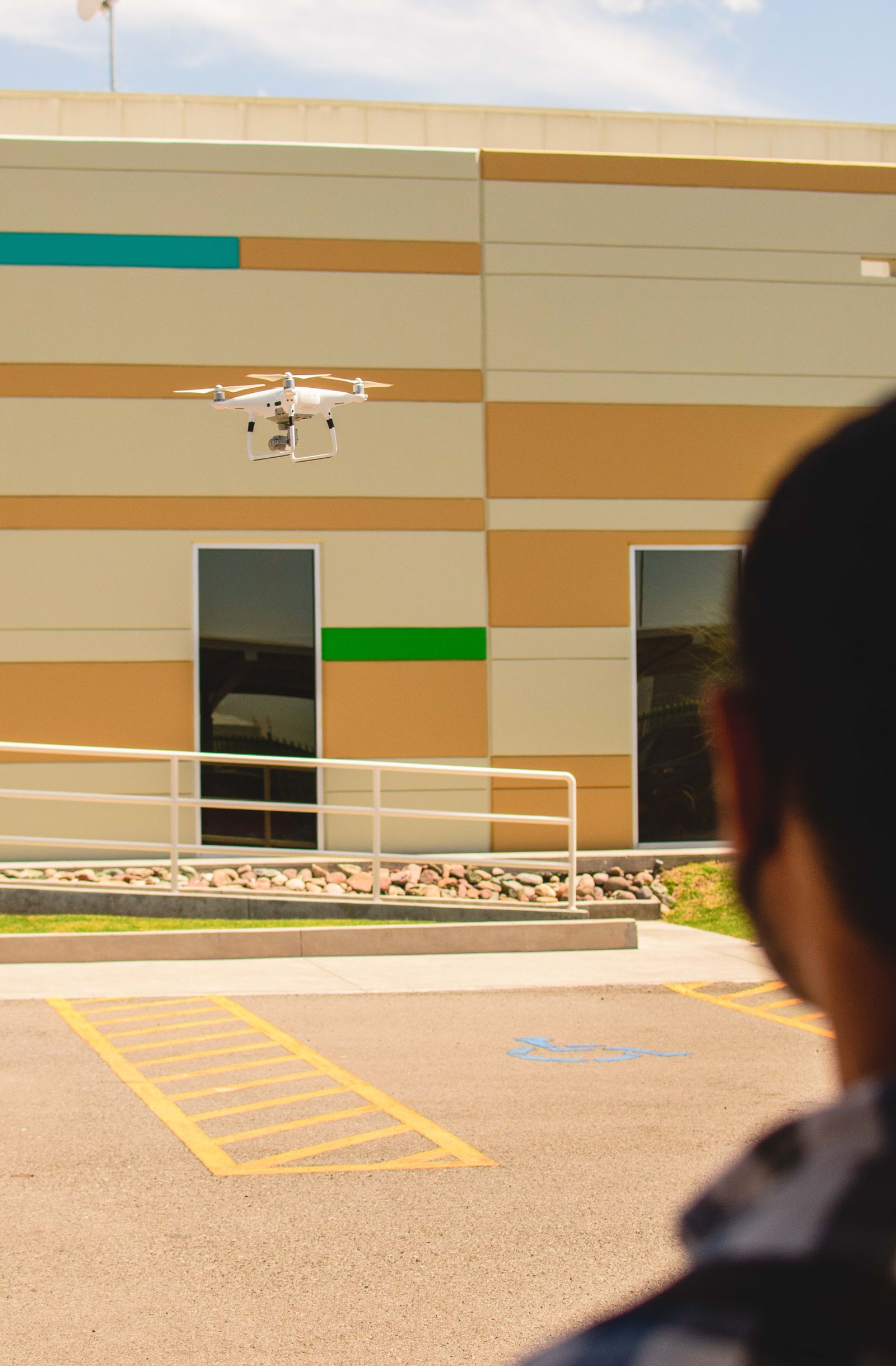
Drone-assisted application or rinsing may support selected upper walls, parapets, ledges, and broad facade zones when wind, stand-off distance, line of sight, launch and recovery space, water supply, and ground controls are workable. It is one part of an access plan, not a promise that every elevation can be cleaned from the air. Narrow downtown streets, overhead wires, trees, signs, cranes, rail lines, bridges, active sidewalks, public events, and neighboring properties can make one elevation feasible and another unsuitable. Upper-wall work may pair with a lift, pole, or hand detail at windows, entries, cornices, balconies, awnings, and historic trim.
Buffalo Niagara International Airport, hospital helicopter activity, waterfront events, port and rail operations, stadium traffic, and dense public areas may affect an aerial plan. Commercial drone operations must follow applicable Federal Aviation Administration requirements; property permission does not replace aviation rules. The quote should identify proposed aerial elevations, spotters, communications, emergency stop procedures, public separation, and the alternate method if wind, airspace, traffic, or finish requirements change. A hybrid plan is often the practical choice for an occupied Buffalo property.
Protect Buffalo drainage, landscaping, entries, and public routes
A Buffalo site may include curb inlets, basement doors, garage ramps, planted courtyards, narrow sidewalks, loading areas, snow-storage zones, river-facing grades, and low points that collect water. A downtown historic building, hospital campus, hotel, warehouse, and suburban shopping center can have very different discharge risks. Before applying water or chemistry, map drains, doors, air intakes, landscaping, outdoor seating, vehicles, cameras, emergency routes, neighboring property lines, and areas where runoff could enter a basement or public path. Confirm hoses, barriers, water access, snow and ice conditions, and who can stop the job if flow or weather changes.
The appropriate water-management controls depend on the product, soil removed, rinse volume, slope, drainage, and property requirements. They may include plant protection, reduced rinse volume, diversion, collection, recovery, filtration, or coordination with the responsible authority. A visible inlet is not automatic permission to discharge wash water. The closeout should leave sidewalks and entrances dry and safe, document completed elevations, note remaining deposits or repairs, and explain deviations. Facilities teams need a maintenance record connected to the building, not a vague before-and-after promise.
- Locate drains, low points, basement entries, landscaping, air intakes, vehicles, and loading areas.
- Confirm patient, guest, student, tenant, accessible, emergency, and delivery routes.
- State the water-management approach and the stop condition if flow, snowmelt, or wind changes.
- Photograph completed zones and record deposits, repairs, or specialty-detail needs.
Request a Buffalo quote tied to the property
A useful Buffalo quote names the building, elevations, materials, deposits, access method, work window, weather limits, water plan, protection steps, and expected finish. It should say whether the scope covers a hotel facade, office, medical facility, university building, retail center, warehouse, mixed-use property, garage, or campus. It should also explain which areas require a lift, pole, hand detail, preservation work, repair, or a separate coating or leak investigation. That level of detail makes the decision easier for ownership, facilities, risk, and operations teams.
Drone Building Cleaners can review Buffalo, Amherst, Williamsville, Cheektowaga, Tonawanda, West Seneca, and nearby commercial properties for compatible facade washing, upper wetting and rinsing, ledges, canopies, parapets, roofline details, and recurring exterior maintenance. We will consider lake and river exposure, salt, snow, public routes, occupied operations, and whether aerial assistance is appropriate for the actual elevation. The recommendation stays focused on what the building needs and what the customer can responsibly approve.
For a quote, call +1 239-351-2897, email contact@dronebuildingcleaners.com, or submit the contact form. Include the Buffalo address, target elevations, photos, approximate height, visible stains, materials if known, water access, drains, and timing or tenant constraints. We will recommend the next practical review step and prepare a customer-facing scope that explains what can be cleaned, how it will be approached, and what belongs in separate work.